Here is a question that conventional medicine still cannot answer satisfactorily, even with all of its extraordinary diagnostic tools:
Why do two people exposed to the same pathogen have completely different outcomes?
The flu moves through an office. Half the people get sick. Half don’t. Strep spreads through a household. One child is hospitalized. Another never develops symptoms. Two people receive the same cancer diagnosis with the same staging. One is in remission in two years. One is gone in six months. The germ is identical. The exposure is equivalent. And yet the outcomes are profoundly, sometimes inexplicably, different.
Germ theory, the framework that has dominated Western medicine since the 1860s, has no deeply satisfying answer to this question. It can note risk factors after the fact. But it cannot tell you, in advance, why one body is hospitable to a pathogen, and another is not, because germ theory locates the cause of disease in the germ, not in the conditions that allow the germ to thrive.
Terrain theory offers a different and, I believe, more complete answer. And understanding it is not merely an academic exercise. It is the difference between a healthcare philosophy that reacts to illness after the fact and one that addresses its root. That distinction is at the center of everything I do in my clinical practice, and it is the foundation of Integrative Foot Zoning™.
The Debate That Shaped Modern Medicine and What Was Left Out
In the middle of the nineteenth century, two French scientists were engaged in a debate that would shape the trajectory of medicine for the next 150 years. Louis Pasteur, the chemist, argued that specific microorganisms were the primary cause of specific diseases. Kill the microorganism, cure the disease. His germ theory gave birth to vaccines, antibiotics, and much of modern infectious disease medicine. The practical applications were immediate and, in many cases, lifesaving.

Claude Bernard, a physiologist working at the same time, was watching something different. What he observed was not that germs were irrelevant, but that the body’s internal environment determined whether a pathogen could take hold at all. Bernard argued that the stability and balance of that internal environment was the fundamental condition of health. Antoine Béchamp, a contemporary of both, went further still, arguing that microorganisms were not the first cause of disease but its consequence, that germs were opportunistic, capable of causing harm only in a body whose internal conditions had already become disordered. He coined the phrase that would echo through integrative medicine for more than a century:
“The terrain is everything. The germ is nothing.” — Antoine Béchamp
Pasteur won the institutional argument. His germ theory was more immediately actionable and more compatible with the emerging pharmaceutical infrastructure of the late nineteenth century. By the early twentieth century, medicine had organized itself around identifying pathogens and eliminating them. The extraordinary advances that followed validated that organizing principle in ways that were impossible to dismiss.
But the institutional victory of germ theory did not settle the biological question. And in the century and a half since, the accumulating evidence has increasingly suggested that Bernard and Béchamp were asking the right question all along. There is even an account, widely cited in the integrative medicine literature, of Pasteur acknowledging on his deathbed: “Bernard was right. The germ is nothing. The terrain is everything.”
Whether or not those exact words were spoken, the science that has accumulated since tells the same story.
The Body Has a Perfect Blueprint, and Disease Is What Happens When the Terrain Obscures It
The most important thing I want you to understand about terrain theory is this: the body already knows exactly what to do. This is not poetic language. It is a biological fact.
An ear knows how to be an ear. An eye knows how to be an eye. A liver knows how to filter. A kidney knows how to regulate fluid balance and pH. A lung knows how to exchange gases.
Nobody is sending these organs instructions in real time.
They developed autonomously in utero, organized themselves from a single fertilized cell into 37 trillion specialized cells performing precise, coordinated functions, and continue doing so without your conscious participation every moment of your life.
Inside every cell in your body is a blueprint, the original DNA code for what optimal structure and function look like. The entire premise of Integrative Foot Zoning™ is built on this biological truth.
The Integrative Zone treatment does not tell the body what to do. It reminds the body of what it already knows. It reconnects the DNA code to the inner blueprint. It creates the conditions in which the body’s own healing intelligence can reassert itself and return to its original design.
Dis-ease, from this perspective, is not the body failing. Dis-ease is what happens when the terrain has been so burdened by toxins, nutritional deficiencies, emotional weight, and environmental disruption that the blueprint can no longer be clearly expressed. The liver doesn’t forget how to be a liver. It becomes so overloaded that it cannot perform its function. The kidney doesn’t lose the knowledge of fluid regulation. It becomes so congested that the knowledge cannot be acted on.
Restore the terrain, and the blueprint reasserts itself. This is what I have watched happen, consistently, across nearly two decades and tens of thousands of clinical sessions.
In other words, heal the body at the root.
The Organs the Body Cannot Afford to Lose
Terrain or Root Cause theory, as I apply it clinically, begins with a deep respect for the organs whose integrity determines whether the entire internal environment thrives or suffers. The gut receives most of the attention in modern integrative health, and rightfully so, because the microbiome is foundational. But in my practice, several other organs are equally critical to terrain health, and they are consistently underaddressed.
The Liver: The LIVE-r
I want to start here because I believe the liver is the most chronically overburdened organ in the modern body, and the one most responsible for the terrain disruptions that drive chronic disease.
Notice what is inside that word: LIVE-r. It keeps us in LIFE.
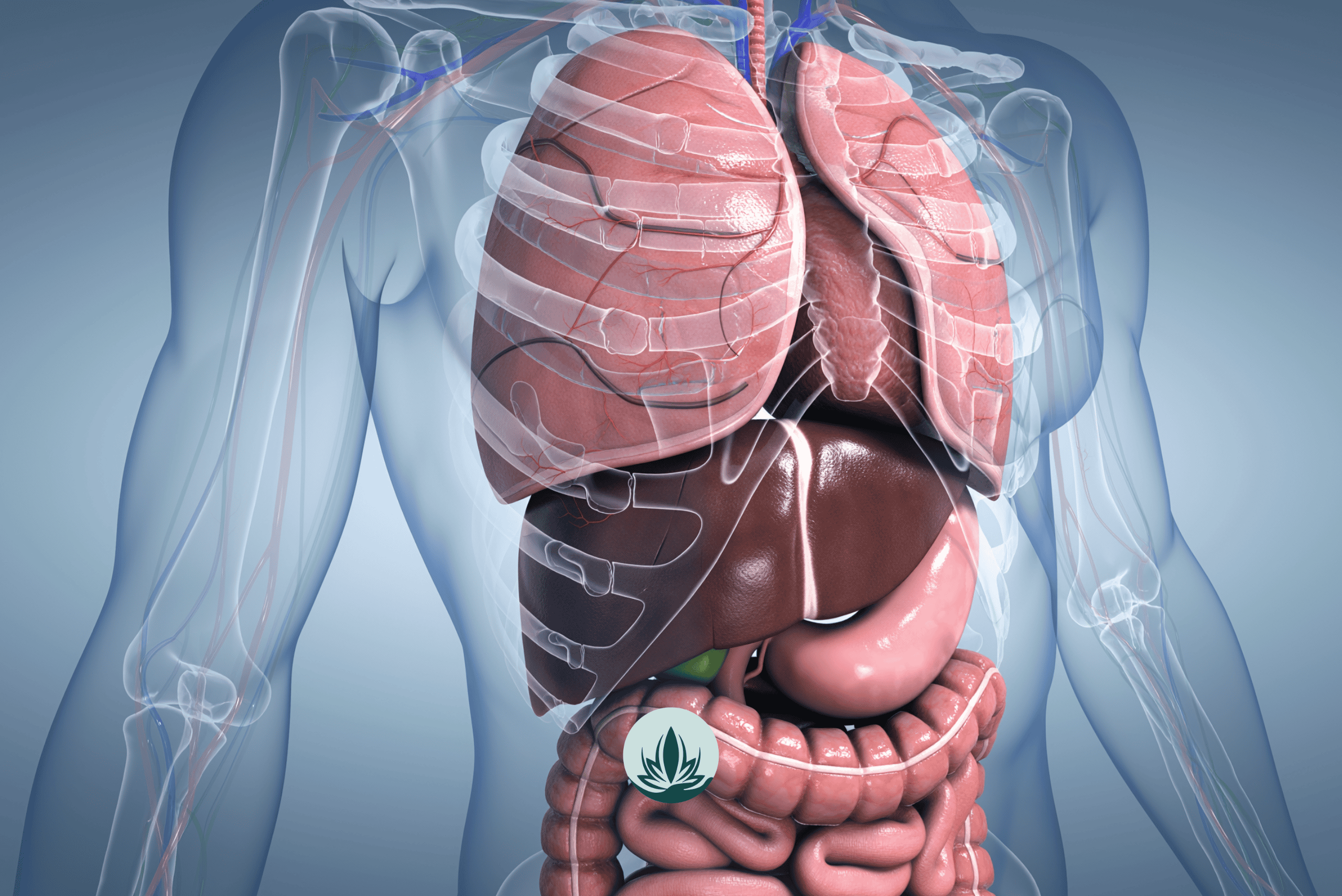
The liver performs over 500 distinct functions. It filters toxins from the blood. It metabolizes hormones, medications, and environmental chemicals. It produces bile for fat digestion and regulates cholesterol. It stores glycogen and regulates blood sugar. It synthesizes proteins essential to immune function and clotting. It is, in the most literal sense, the organ most responsible for the quality of the internal terrain.
When the liver is burdened by processed foods, synthetic chemicals, heavy metals, alcohol, medications, chronic emotional stress, or the sheer volume of environmental toxins the modern body is asked to process, the downstream effects are everywhere.
Hormones that should be cleared accumulate. Toxins that should be filtered recirculate. The blood becomes thick and stagnant. Inflammation rises systemically. The skin, the lymphatic system, and the kidneys are pressed into compensatory service as the liver’s backup filters, and they too become burdened.
In the feet, I see liver burden in the color, texture, and temperature of the corresponding zone long before it appears in standard liver function panels. Yellow tones in the zone often indicate the liver working overtime to process an accumulating load. I see it in clients who are fatigued in a way that sleep doesn’t resolve, whose skin is breaking out despite a clean diet, and whose hormones are disrupted without an obvious cause. The liver is always part of the picture.
The Kidneys: The Regulators of the Internal Sea
The kidneys filter approximately 200 liters of blood every day. They regulate pH, electrolyte balance, fluid volume, and blood pressure. They produce erythropoietin, which drives red blood cell production, and activate vitamin D, which governs calcium metabolism, immune function, and gene expression across hundreds of biological pathways.
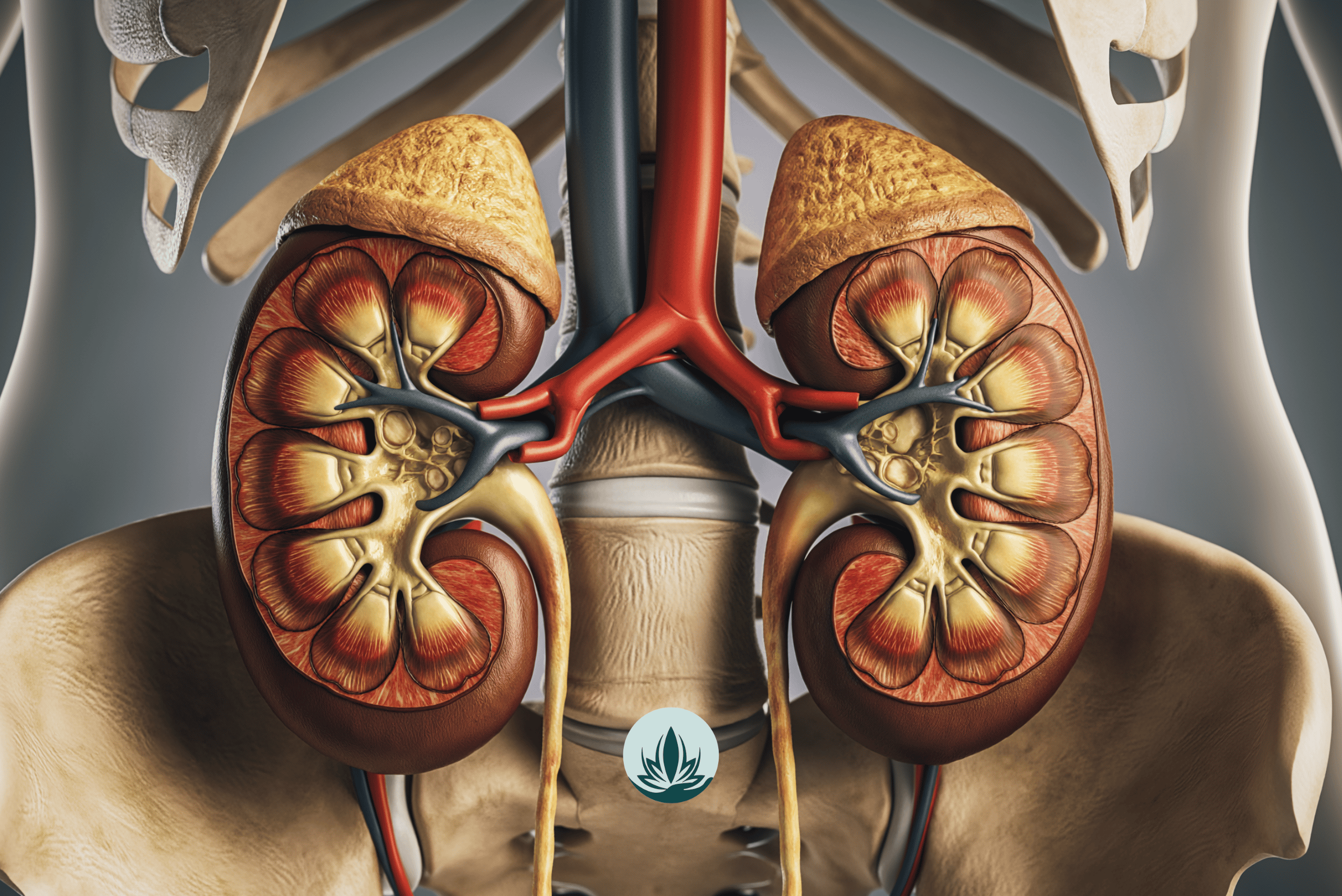
When the kidneys slow from dehydration, from acid accumulation, from toxin overload, from chronic fear held in the tissue, the consequences extend far beyond the urinary system. Acidity rises throughout the body. Tendons, ligaments, and connective tissue begin to break down in the acidic environment. I have watched this pattern play out in clinical practice more times than I can count.
A firefighter came to me with lung issues. His conventional lab work showed his kidneys were functioning within normal range. But through the feet, I felt deep congestion in the kidney areas, the kind of dense, sluggish quality that tells you the organ is working but laboring. Weeks after our sessions began, he ruptured a disc in his lower back while picking up a fork.
A fork. A fork you use to eat with.
That is not a freak accident. That is the end result of acidity quietly dissolving connective tissue integrity over time. When the kidneys slow, the entire terrain acidifies, and the body pays the price in ways that seem disconnected from the kidney until you understand the terrain.
In the Integrative Grid, something I teach advanced practitioners, the kidneys sit within the second vertical meridian, the Micro Eye Meridian, which originates from the second toe and holds the memory of details.
When this meridian is burdened or blocked, it affects not only the kidneys and the organs that share that energetic column, but also the ability to perceive fine detail, to see the nuances of a situation, to access inner vision. The body and the mind are not separate systems. They share the same energetic architecture. A blocked kidney zone in the second meridian is never just a physical concern.
The Lungs: Where Grief Lives
The lungs are the body’s breathing apparatus, and they are one of the most underattended organs in modern health care. We breathe automatically and assume that means we breathe well. We do not. Most people breathe shallowly, using only the upper portion of the lungs for years or decades. The lower lobes, where the majority of the alveolar surface area lives, become stagnant. Lymph, which depends on the pressure differential created by deep breathing to move, slows.
Oxygenation declines. The immune response becomes sluggish.
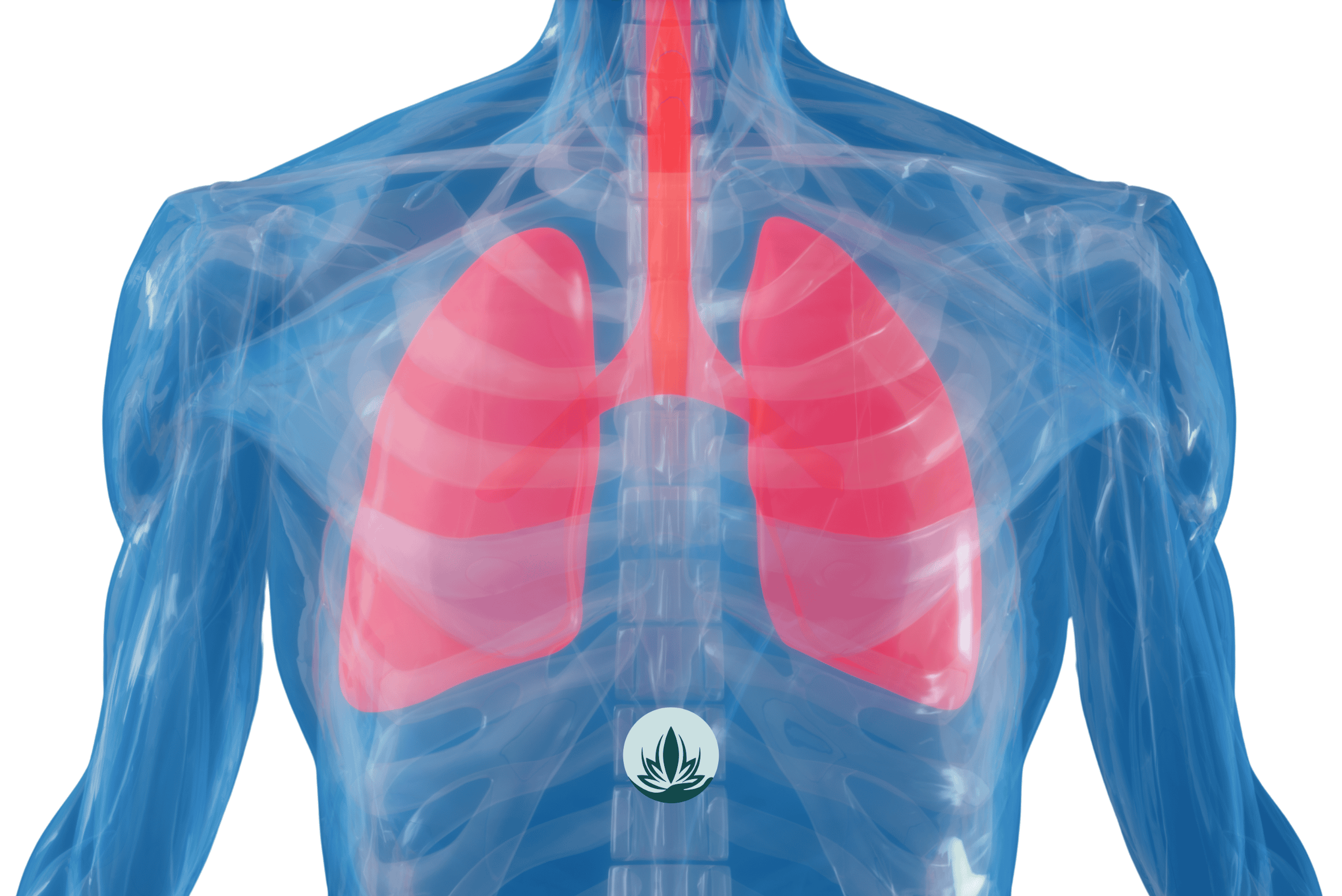
I have zoned Olympic runners who reasonably believed their lungs were in excellent condition. When I worked their lower lungs in the Integrative Zoning treatment, what I felt was like cobwebs: stagnant, unmoving tissue with none of the vitality I would expect from trained athletes.
Once they began incorporating intentional deep-breathing practices and worked their lower lungs through regular zoning, their lymphatic circulation improved, their oxygenation shifted, and their performance records changed.
The lungs also hold grief. This is not a metaphor, but one of the most consistent clinical observations I have made over 18 years of practice. The person who lost a parent and never fully allowed themselves to mourn.
The mother who experienced a pregnancy loss without adequate support. The person who has been told, in one form or another, to move on before they were ready. The grief lives in the lung zone of the feet, in the color, texture, and emotional quality of what is released during a session.
Addressing the terrain of the lungs means addressing both the physical and emotional dimensions of what they hold.
The Gallbladder, the Spleen, the Heart, the Limbic System
Every organ is part of the terrain, and every organ is interconnected with every other.
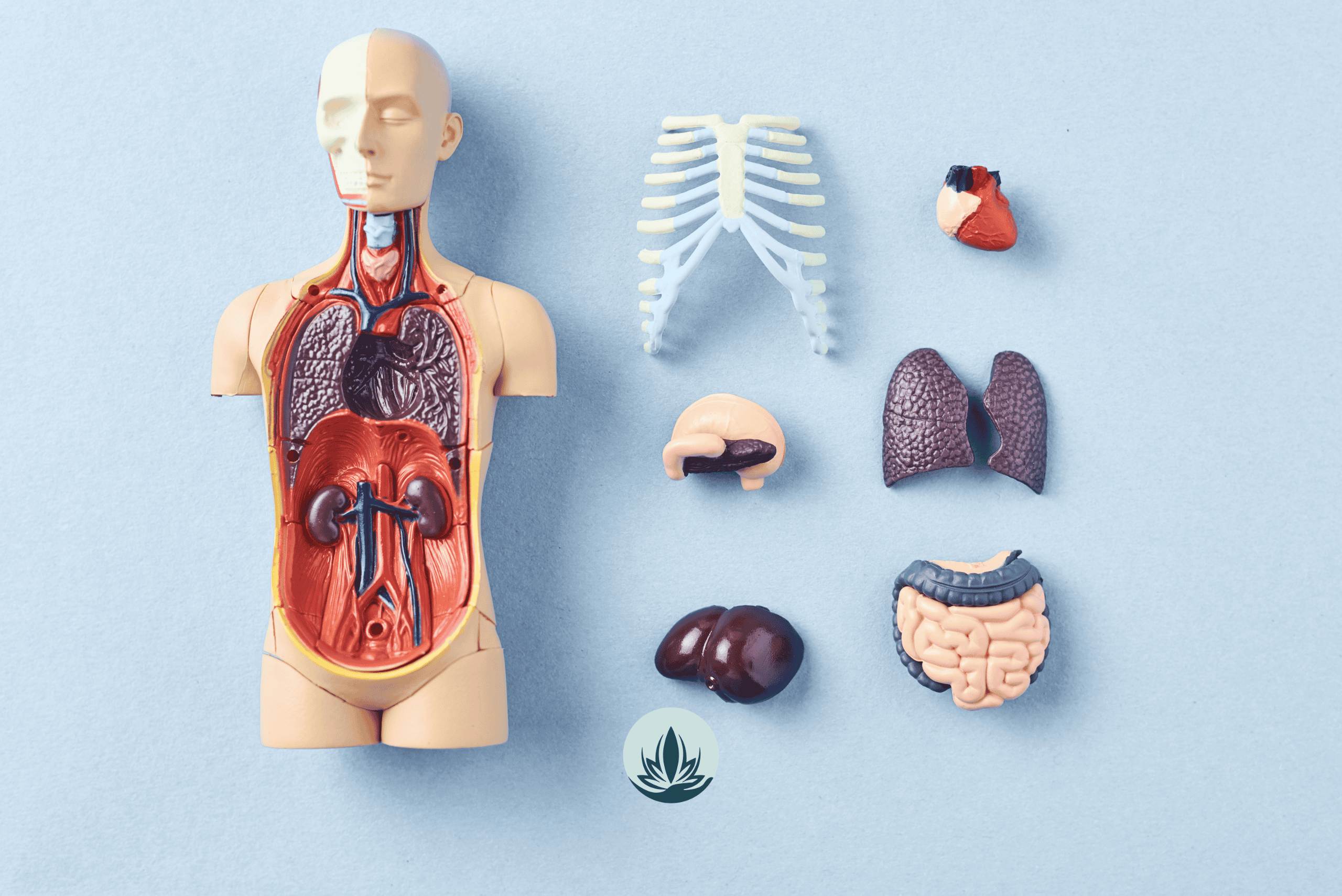
The gallbladder processes and releases bile, and when it is sluggish, fat digestion suffers, and the liver becomes more burdened. The spleen filters old red blood cells, supports immune surveillance, and holds its own emotional weight. The heart is the terrain’s circulatory engine, and stagnant blood, the downstream consequence of a burdened liver and sluggish kidneys, is a terrain problem that touches every system.
The limbic system deserves particular attention because it is where the emotional and mental bodies interface most directly with the physical terrain. The limbic system governs the subconscious, processes sensory information from the five senses, and connects that information to memory, emotion, and the body’s autonomic responses.
In the Integrative Grid, the limbic system anchors all ten vertical meridians at the top of the foot. What we smell, see, hear, and touch is processed through the limbic system and distributed to every organ in the body through those meridians. When the limbic system is burdened by toxins that cross the blood-brain barrier, by fluoride calcifying the pineal gland, by the accumulated weight of unprocessed emotional experience, the messages from the body’s own blueprint are distorted.
Organs lose their clear connection to what they are designed to do.
This is why I always work the limbic system in an Integrative Foot Zoning™ session.
Restoring that connection is not supplementary to the terrain work. It is foundational to it.
The Four Chimneys: What Happens When Elimination Fails
One of the frameworks I return to most often in clinical practice, and one that every family needs to understand, is what I call the Four Chimneys. Your body has four primary elimination pathways through which it expels the waste products and toxins that accumulate in the internal terrain: sweat, breath, urine, and bowel movements.
These four chimneys are not independent systems. They are a team. And when even one of them is not functioning fully, the others are forced to compensate, and the toxic load that cannot be cleared begins to accumulate in the tissue.
Think about what happens in a house when a chimney is blocked. The smoke has nowhere to go. It backs up, fills the room, and eventually, every surface is coated in residue that was never meant to stay there.
The body works exactly the same way. When the bowel is constipated, toxins that should have been eliminated are reabsorbed into the bloodstream. The liver must process them again. The kidneys face an additional load. The lymphatic system backs up. Inflammation rises. The skin begins to eliminate through breakouts and rashes because the primary pathways are overwhelmed.
I have worked with women struggling with infertility whose uteruses were surrounded by a colon full of accumulated waste. Those toxins seep into reproductive tissues, disrupting the hormonal environment and blocking the conditions a healthy pregnancy requires. Once the bowel chimney was opened and the terrain was cleared, fertility shifted. The body had not lost the knowledge of how to conceive. It had been operating in a terrain so burdened that the blueprint could not express itself.
The breath chimney is the one most people take most for granted. We breathe 20,000 times a day and rarely think about whether we are doing it fully. As I described with those Olympic runners: stagnant lower lungs slow the lymphatic system, reduce oxygenation, and impair the terrain in ways that accumulate silently over years.
Urine eliminates water-soluble waste products, such as metabolic byproducts, excess minerals, and filtered toxins, produced by the kidneys. When the kidneys are burdened or dehydrated, this pathway narrows. Acidity builds. The joints and connective tissue suffer first, then everything else.
Sweat is the skin’s contribution to elimination. The skin is the body’s largest organ, and its capacity to eliminate waste through perspiration is significant. When we are sedentary, use antiperspirants that block sweat glands, or are chronically dehydrated, this chimney closes. What cannot exit through the skin has to go somewhere else.
Keep all four chimneys open, and the body can maintain an efficient internal terrain even under significant environmental loads. Allow even one of the chimneys to close, and the terrain deteriorates quietly, accumulating, until the burden becomes legible as symptoms.
Reading the Terrain Through the Integrative Grid
Everything I have described above, the liver’s burden, the kidney’s congestion, the lungs’ stagnation, the closed chimneys, the distorted blueprint, is visible in the feet of every person I work with. Not as a diagnosis, but as the body’s own signal system, communicating its current state through color, texture, temperature, tenderness, and the quality of the tissue beneath my hands.
The framework I developed to read that signal system is what I call the Integrative Grid. It is the mapping and charting layout I created for the signal system on the bottom of the feet, and it is the clinical tool that allows me to move from feeling and observation to precise clinical analysis.
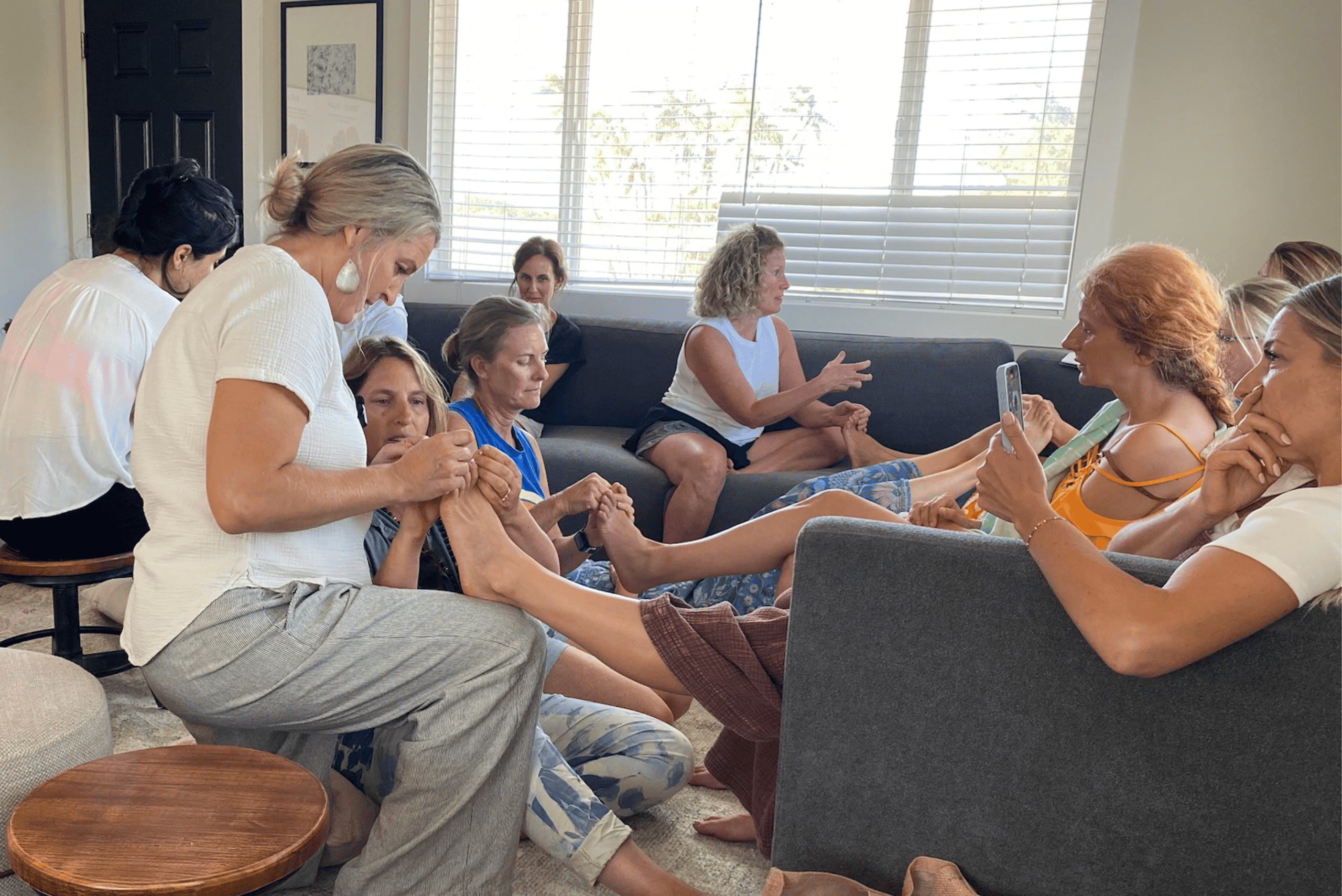
The Integrative Grid is formed by the intersection of two energy systems that run simultaneously through the feet. The Horizontal Energy System comprises seven energy centers that run in bands across the foot from the heel to the toes. These seven centers are linked to the glandular system and govern the emotional body. The Vertical Energy System carries ten meridians that run from the limbic system down through the ten toes, each associated with a specific sensory pathway and a column of organs, glands, and systems beneath it. Where the horizontal bands and the vertical meridians cross, you get the Integrative Grid™, a precise, anatomically grounded map of the body’s current energetic and physiological state.
The reason this grid matters clinically is that it lets me locate the root of a problem within a specific intersection of the body’s energy architecture. If the kidneys are congested and causing issues, I do not only work the kidney signal system. I look at everything in the second vertical meridian, because the kidneys share that energetic column with the organs, glands, and sensory systems above and below them.
A kidney problem in the second meridian may also be affecting memory, detail perception, inner vision, and the limbic connection to the micro eye. It is never just one organ. It is always a pattern within a column, and the grid reveals the whole column and the terrain in the corresponding horizontal energy system.
The quality of what I feel tells me which body is primarily affected and what sequence of support the body needs.
The Two Dimensions of Clinical Work: Analysis and Zone
The clinical work I do in an Integrative Foot Zoning™ session operates in two distinct but inseparable dimensions.
The first is Integrative Analysis, the reading of the feet through both vision and feeling. Color tells me about acidity, organ burden, circulation status, and toxin accumulation. Yellow tones indicate liver burden. Redness indicates active inflammation and irritation. Blue suggests oxygen deficiency. Brown often relates to rancid fats, which burden the system. Gray can indicate heavy metal deposits. These color indications just scratch the surface.
Beyond color, I read texture (what is hardened, what is swollen, what is crystallized beneath the skin), temperature (where the circulation is hot, where it has gone cold), moisture patterns, and tenderness under specific pressures. Every observation becomes a data point. Together, through the Integrative Grid™, they tell me the body’s current state across all four integrated bodies, physical, emotional, mental, and spiritual, before a word has been spoken.
The second dimension is the Integrative Zone™, the sequence of treatments and movements applied to the feet to reset the body to its perfect blueprint.
This is not massage, nor is it reflexology. The Integrative Zone™ follows a precise, ordered sequence through the full foot surface using the knuckles in small circular motions. The sequence matters because the body’s physiology demands it. We open the lymphatic drainage pathways before working the internal organs. We raise life energy through the spinal fluid before addressing the brain. We complete the terrain’s drainage routes before sending signals deeper into the system.
Every movement is purposeful. Every sequence has a biological rationale.
The Integrative Zone™ does not tell the body what to do. It sends a signal, through the shared neural pathways and autonomic reflex arcs, signals that connect the skin of the foot to every organ in the body, that reminds the DNA of its original blueprint.
The liver is reminded how to be a liver.
The kidney is reminded of how to regulate the internal sea.
The lungs are reminded to breathe fully and move lymph.
The limbic system is reminded to receive and transmit the messages of the body’s own healing intelligence, uncorrupted by the accumulated weight of what the terrain has been carrying.
What Modern Research Tells Us About Terrain
Terrain theory is not without scientific support. The research of the last several decades has produced findings that would have astonished Pasteur and validated Bernard and Béchamp at the same time. Each of the discoveries below represents a pillar of terrain theory confirmed by modern science.
The Microbiome: A Terrain We Are Only Beginning to Map
The human gut contains between 38 and 100 trillion microbial cells, a number that rivals or exceeds the total number of human cells in the body. These microbes are integral participants in virtually every major physiological process: digestion, immune regulation, neurotransmitter synthesis, hormone metabolism, and inflammation management.
Research published in Nature and leading journals over the past two decades has established that microbiome composition predicts susceptibility to a striking range of conditions, including autoimmune disease, metabolic syndrome, depression and anxiety, cardiovascular disease, and infectious illness. A disrupted microbiome, dysbiosis, is a terrain problem. Restore the microbiome, and you restore a fundamental layer of the terrain’s resilience.
Epigenetics: The Terrain Writes to Your Genes
The most revolutionary development in biology over the last 30 years may be epigenetics, the science of how environmental signals modify gene expression without altering the underlying DNA sequence. The discovery that the terrain your cells live in can turn genes on or off, upregulate or silence entire biological programs, has revised the deterministic model of genetic disease that dominated twentieth-century medicine.
Most common chronic diseases involve not a single gene but dozens or hundreds of variants, each contributing a small effect. Whether those variants are expressed depends heavily on the environment in which they operate. The choices we make about how we live, including what we eat, how we sleep, what we are exposed to, and what emotional load we carry, are not incidental to our biology. They are instructions to it.
This is terrain theory at the molecular level.
The ACE Studies: When the Terrain Is Emotional
Beginning in 1998, Vincent Felitti and Robert Anda published findings from a study of more than 17,000 adults documenting the relationship between childhood adversity and adult health outcomes. The results were stark and dose-dependent: the more adverse experiences, the higher the risk of heart disease, cancer, chronic lung disease, liver disease, autoimmune conditions, depression, and premature death, across every category, decades later.
The ACE studies did not demonstrate that trauma causes disease (dis-ease) through a specific pathogen. They demonstrated that the internal environment shaped by early adversity creates a terrain that is more vulnerable to disease across the board.
This is terrain theory applied to emotional health: the vulnerability is in the terrain, not the pathogen. The chronic stress, the dysregulated nervous system, the persistent low-grade inflammation, the immune dysregulation, these are terrain consequences of unresolved emotional experience. And in my clinical practice, I evaluate the emotional terrain in the feet every day. The body holds what the mind has not fully processed. The Integrative Grid™ makes it visible.
The Modern Terrain: What We Are Facing
Bernard and Béchamp developed their framework in a world where the primary threats to the terrain were infectious disease and nutritional deficiency. The terrain challenges of the twenty-first century are categorically different in scale and kind.
There are more than 80,000 synthetic chemicals registered for use in the United States, with only a fraction tested for their effects on human health. Glyphosate, the world’s most widely used herbicide, has been detected in the urine of more than 80 percent of Americans tested in recent CDC studies, as well as in rain, groundwater, and human breast milk.
Heavy metals accumulate in the brain and soft tissues.
Ultra-processed foods now constitute more than half of the calories consumed in the United States and have been associated in large cohort studies with increased risk of cancer, cardiovascular disease, and all-cause mortality.
Exposures to electromagnetic fields from wireless technology represent an environmental input without precedent in evolutionary history.
And over all of this sits the chronic stress of modern life: the sleep deprivation, the social isolation, the continuous sympathetic nervous system activation that was designed for short-term threats and is now running as a background condition for most people, most of the time.
The germ has not changed much. The terrain has changed enormously.
The chronic disease epidemic we are living through, with more than 60 percent of American adults with at least one chronic condition, one in three children with a chronic health problem, is, I believe, the biological consequence of that change. Through the lens of terrain theory, you cannot antibiotic your way out of a terrain problem. You have to change the terrain.
The Four Integrated Bodies: A Terrain That Is Never Only Physical
I want to close with the dimension of terrain theory that I believe is most underaddressed and most important: the body is not only a physical terrain.
Every person I work with has four integrated bodies simultaneously: physical (Earth), emotional (Water), mental (Air), and spiritual (Sun). These are not separate compartments.
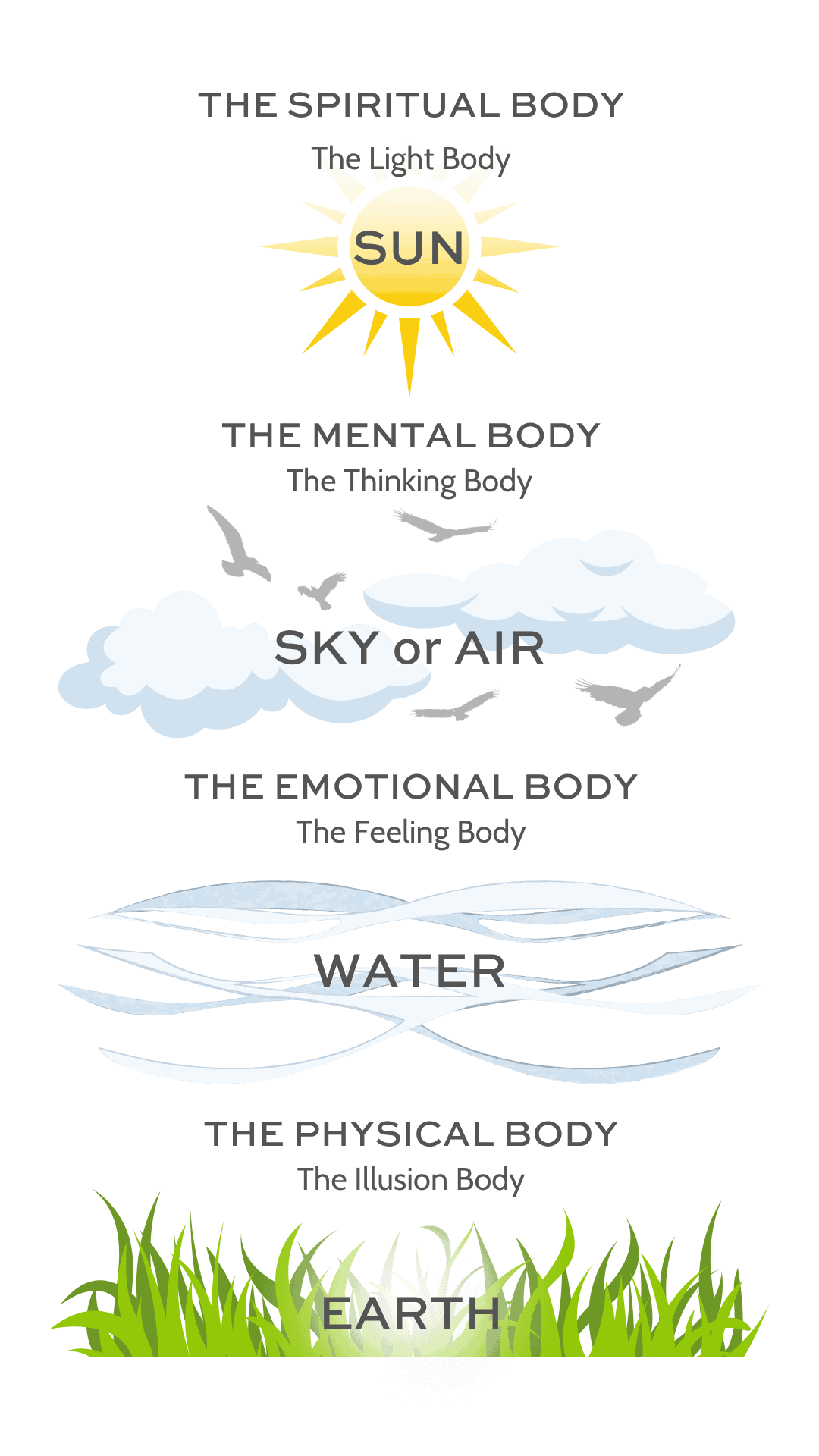
They are interwoven aspects of a single being, and they share a single terrain. When the emotional body is carrying unresolved grief, the lungs hold it. When the mental body is running a narrative of chronic fear, the kidneys reflect it. When the spiritual body has lost its sense of purpose and connection, the adrenals burn through their reserves, trying to maintain function without the animating force that supports them.
True terrain restoration, as terrain theory teaches, means addressing all four. Physical interventions alone, including dietary changes, supplementation, and detoxification protocols, produce results that are real but partial when the emotional, mental, and spiritual terrain is unaddressed. The blueprint cannot fully reassert itself if the body is receiving contradictory instructions from the other three bodies simultaneously.
This is the work I am committed to, and it is what makes Integrative Foot Zoning™ fundamentally different from any other terrain-based approach I know of. The feet reveal all four bodies. The Integrative Grid™ lets me read all four. And the Integrative Zone™, the most powerful and restorative treatment available to us, addresses all four, returning each layer of the person to the original blueprint that was present before the terrain was compromised.
The body does not need to be told how to heal. It needs the conditions in which healing becomes possible.
Creating those conditions through the terrain, the Grid, the Zone, and the full-spectrum support that addresses the whole person is what I have dedicated nearly two decades to. It is what I have watched produce results that the medical system called impossible. And it is what I am here to teach.
To learn more about Integrative Foot Zoning™ and my work, click HERE.
Sources and Further Reading
Bernard C. An Introduction to the Study of Experimental Medicine. Henry Schuman, 1865/1949.
Sender R, Fuchs S, Milo R. “Revised Estimates for the Number of Human and Bacteria Cells in the Body.” Cell, 2016.
Sonnenburg JL, Bäckhed F. “Diet–microbiota interactions as moderators of human metabolism.” Nature, 2016.
Lipton BH. The Biology of Belief: Unleashing the Power of Consciousness, Matter and Miracles. Hay House, 2005.
Pert CB. Molecules of Emotion: The Science Behind Mind-Body Medicine. Scribner, 1997.
Felitti VJ, et al. “Relationship of Childhood Abuse and Household Dysfunction to Many of the Leading Causes of Death in Adults.” American Journal of Preventive Medicine, 1998.
Nedergaard M, et al. “A Paravascular Pathway Facilitates CSF Flow Through the Brain Parenchyma.” Science Translational Medicine, 2012.
Samsel A, Seneff S. “Glyphosate, pathways to modern diseases II: Celiac sprue and gluten intolerance.” Interdisciplinary Toxicology, 2013.
Centers for Disease Control and Prevention. Glyphosate Exposure Data. National Health and Nutrition Examination Survey, 2023.
Waterland RA, Jirtle RL. “Transposable Elements: Targets for Early Nutritional Effects on Epigenetic Gene Regulation.” Molecular and Cellular Biology, 2003.
Hughes CM, et al. “The Effect of Reflexology on the Autonomic Nervous System in Healthy Adults: A Feasibility Study.” Alternative Therapies in Health and Medicine, 2011.
Sudmeier I, et al. “Changes of renal blood flow during organ-associated foot reflexology measured by color Doppler sonography.” Forschende Komplementärmedizin, 1999.