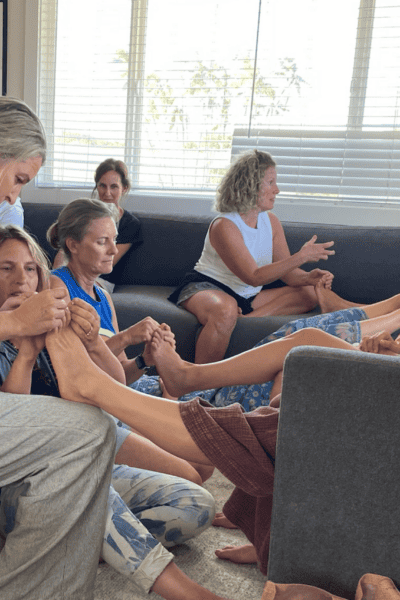
Most people who hear about Integrative Foot Zoning™ for the first time have the same question:
How can the feet tell you what’s happening inside the body?
It’s a fair question. The idea that every organ, gland, and system in the body is mirrored on the surface of the feet, and that you can both read and reset those connections through specific touch, sounds extraordinary. And when I tell people that I can see the state of someone’s liver in the color of their foot, or feel the burden on their thymus in the texture beneath my knuckles, the skepticism is understandable.
In fact, this isn’t magic. There is a rich body of anatomical, embryological, and neurological science that explains why the feet serve as a map of the body and why working with that map produces real, measurable change. The feet hold the language of our health.
After nearly two decades of clinical practice and tens of thousands of sessions, I want to lay out the science that underpins this work. I do this not to replace direct experience—nothing replaces the moment a mother sees her child’s health turn around. Instead, I want to give you the foundation to understand why it works.
The principles I’m about to share form the scientific bedrock of FootZonology, the modality I trained in, mastered, and eventually taught. But they also explain why I felt compelled to take the work further. The science told me the feet held far more information than traditional FootZonology was accessing. That conviction led me to develop Integrative Foot Zoning™, an evolution of the modality that goes deeper, reads more, and treats the whole person in ways that FootZonology alone could not.
The Feet Are Not Random: The Embryological Connection
To understand why the feet mirror the body, you have to go back to the very beginning: embryological development.
During the third week of gestation, the human embryo begins forming a structure called the neural plate. By the fourth week, this plate folds into the neural tube—which becomes the brain and spinal cord.
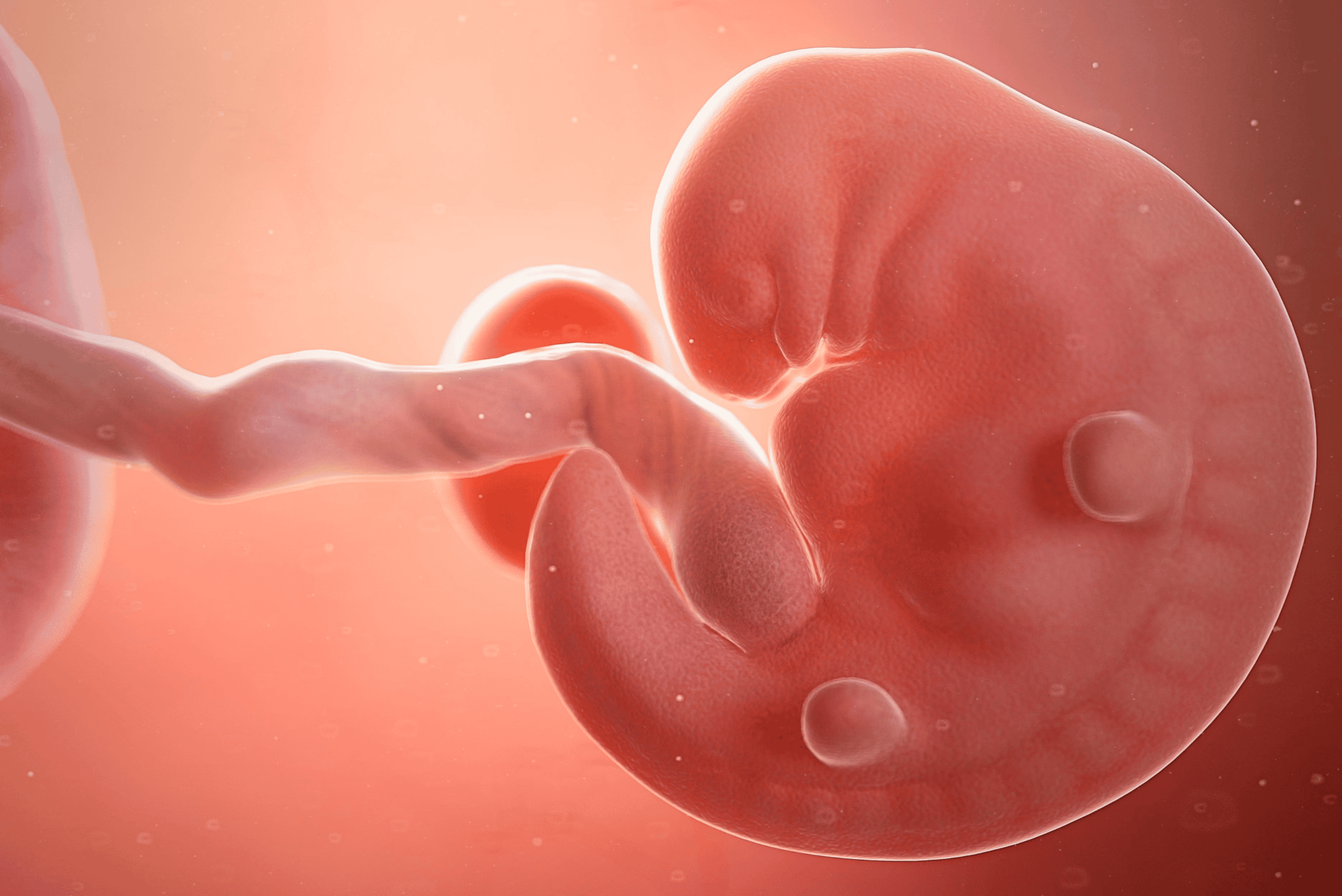
Simultaneously, mesodermal tissue on either side divides into paired, cube-shaped segments called somites. A human embryo develops approximately 42 to 44 pairs of somites, each corresponding to a specific segment of the spinal cord.
Each somite differentiates into three regions: the sclerotome (which forms the vertebrae), the myotome (which forms skeletal muscle), and the dermatome (which forms the skin). Crucially, this is the critical piece. Every dermatome, every segment of skin, is directly linked to a specific spinal nerve from the moment it forms.
In other words, the skin of your foot, the organs behind your ribs, and the nerve pathways that connect them all share the same embryological origin. They were wired together before you were born—and they are a perfect blueprint.
As limbs develop during embryogenesis, the dermis stretches with the growing limb. As a result, dermatomes in the legs and feet run longitudinally—not horizontally like those on the trunk. This developmental stretching creates a spiral pattern mapping back to specific spinal segments. The foot receives sensory innervation (the process by which sensory neurons transmit information from sensory receptors to the central nervous system) primarily from spinal segments L4, L5, S1, and S2, the same segments that provide autonomic control to the kidneys, bladder, reproductive organs, intestines, and rectum through reflex arcs in the spinal cord.
This is anatomy, not metaphor. The feet and internal organs share neural real estate from the very first weeks of life.
7,000+ Nerve Endings: The Density of the Foot’s Sensory Network
The human foot sole is one of the most neurologically dense structures in the body. Research published in the Journal of Neurophysiology has documented that approximately 1,700 tactile afferent fibers innervate the plantar surface of a single foot, and that’s counting only the mechanoreceptors (touch and pressure sensors). When you include thermoreceptors (temperature), nociceptors (pain), and the free nerve endings that detect a wide range of stimuli, the total number of nerve endings in each foot reaches into the thousands.
Four Types of Mechanoreceptors in the Foot
These aren’t simple on/off switches. The sole of the foot contains four distinct classes of specialized mechanoreceptors, each designed to detect different types of information. Merkel discs detect sustained pressure and fine spatial detail. Additionally, Meissner’s corpuscles respond to light touch and changes in texture. Pacinian corpuscles detect deep vibration and rapid pressure changes. Ruffini endings sense skin stretch and sustained pressure.
The big toe, in particular, has an exceptionally high density of Merkel discs and Ruffini endings, along with a disproportionately large cortical representation in the brain’s somatosensory cortex. In Integrative Foot Zoning, the big toe corresponds to the brain and head: the pituitary gland, hypothalamus, thalamus, pineal gland, and the limbic system. This isn’t a coincidence. The body placed its densest sensory architecture in the area that maps to its most complex organ.
How Foot Zoning Uses This Sensory Network
What this means in practice is that the foot constantly sends information to the brain, and the brain constantly sends information back. Every change in pressure, texture, temperature, and moisture on the foot surface is a data point. Traditional FootZonology recognized this and developed a systematic treatment to work with this sensory network. Integrative Foot Zoning takes it further, not only treating through these pathways but reading them with a level of clinical analysis that interprets color, texture, temperature, moisture, and structural changes across all four integrated bodies (physical, mental, emotional, and spiritual). The nerve density of the feet enables this depth of analysis.
No other practitioner has developed the analytical frameworks to access this level of information from the feet as effectively as Integrative Foot Zoning does.
The Neural Pathway: How Touch on the Feet Reaches the Organs
When pressure and a series of specific spiral movements are applied to a specific area of the foot, it activates mechanoreceptors in the skin. These receptors generate an electrical signal, an action potential, that travels along afferent (sensory) nerve fibers to the dorsal root ganglia of the spinal cord. From there, the signal takes two pathways.
The first is the dorsal column–medial lemniscal pathway. This is the fast lane for tactile information.
Sensory signals from the feet travel up through the gracile tract of the spinal cord to the medulla, where they synapse in the gracile nucleus. From there, second-order neurons cross to the opposite side and ascend through the medial lemniscus to the thalamus, the brain’s central relay station, and then to the primary somatosensory cortex. This pathway carries precise information about touch, pressure, and vibration.
The Autonomic Pathway: Direct Connection to Organs
The second pathway involves the autonomic nervous system. This is where the connection between the feet and the internal organs becomes direct and measurable.
Referred Pain: The Two-Way Body-Foot Connection
Visceral afferent fibers, the sensory nerves that carry information from internal organs, run alongside somatic afferent fibers (the nerves from the skin and muscles) and converge on the same spinal segments. This convergence is the anatomical basis for a well-documented phenomenon in medicine called referred pain, in which pain from an internal organ is perceived as coming from a specific area of skin. The classic example is a heart attack, producing pain in the left arm and jaw. The heart and the left arm share spinal segments T1-T5, so the brain misinterprets the visceral signal as originating from the skin.
This convergence works in both directions. Just as organ distress can produce changes in the skin (pain, temperature changes, texture differences), stimulation of the skin can influence the organs that share the same spinal segment. This is the neurological mechanism by which working on a specific area of the foot can affect a specific organ. The signals travel through shared neural pathways, viscerosomatic and somatovisceral reflex arcs, that connect the skin of the foot to the internal organs via the spinal cord.
The Autonomic Nervous System: The Bridge Between Feet and Organs
The autonomic nervous system (ANS) is the body’s involuntary control center. It regulates heart rate, digestion, breathing, blood pressure, and organ function, everything you don’t consciously think about. It has two branches: the
sympathetic (“fight or flight”) and the parasympathetic (“rest and digest”).
Notably, research has consistently demonstrated that foot stimulation modulates the autonomic nervous system. A 2011 feasibility study published in Alternative Therapies in Health and Medicine by Hughes and colleagues examined the effect of reflexology on the ANS in healthy adults and found measurable shifts in autonomic balance. Multiple meta-analyses have since shown that foot work can reduce blood pressure, lower heart rate, improve oxygen saturation, and promote parasympathetic dominance, all markers of autonomic regulation.
The Vagus Nerve and Parasympathetic Healing
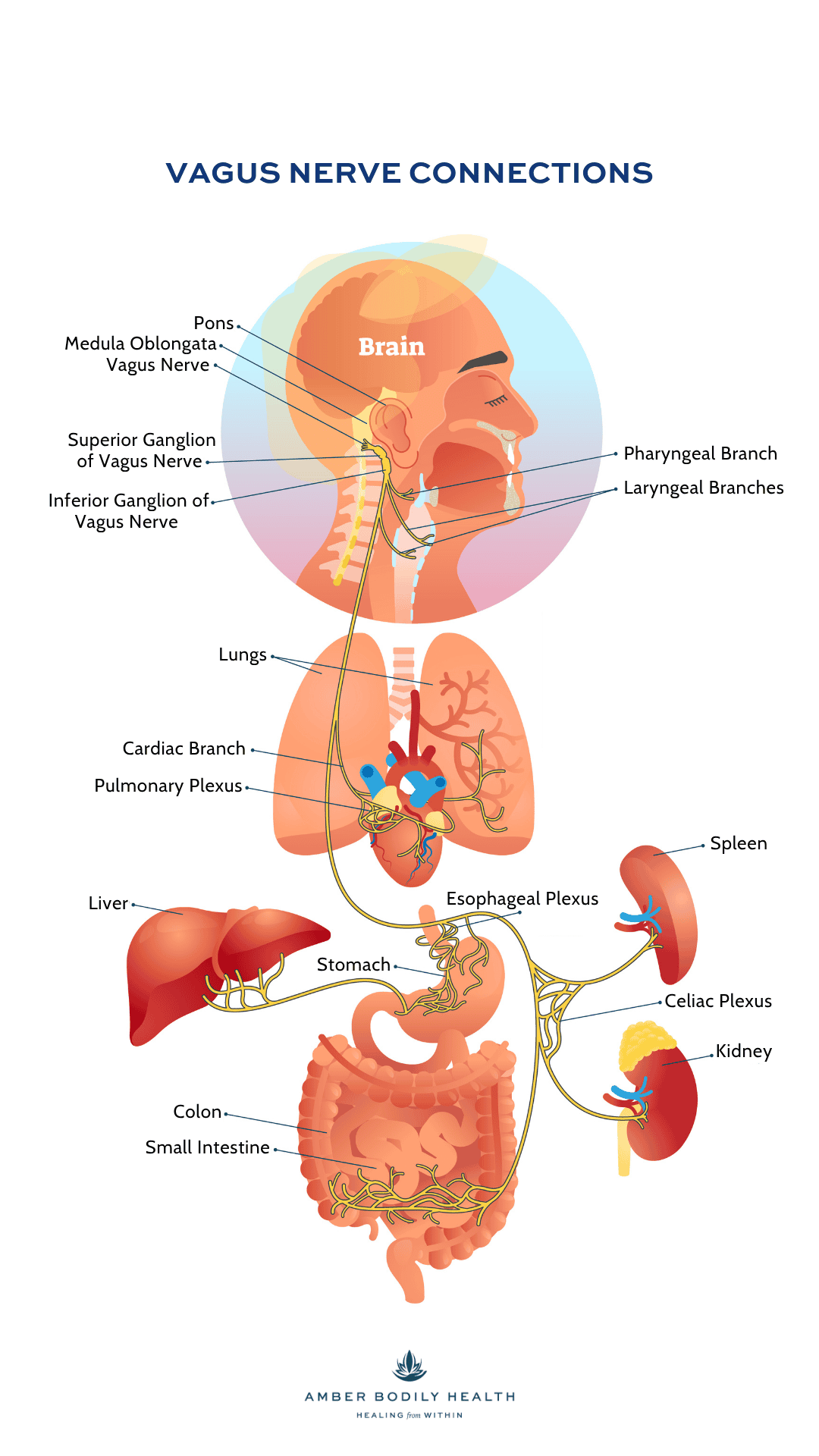
The vagus nerve is the longest cranial nerve in the body and a central player in this process. It originates in the brainstem and extends down through the neck, chest, and abdomen. Along the way, it innervates the heart, lungs, esophagus, stomach, intestines, liver, pancreas, kidneys, and spleen. As the main nerve of the parasympathetic nervous system, it plays a critical role in reducing inflammation, promoting digestion, and regulating immune function through the cholinergic anti-inflammatory pathway.
During fetal development, the vagus nerve arises from parasympathetic nerve fibers and components of the branchial (pharyngeal) arch nerves, embryonic structures that form early and give rise to parts of the face, neck, and throat. Because of this dual origin, the vagus carries sensory fibers from organs and skin, motor fibers to muscles, and parasympathetic fibers to internal organs, making it one of the most complex and far-reaching nerves in the body.
In Integrative Foot Zoning, we work the vagus nerve pathway through specific corresponding areas of the foot, such as the brainstem, throat, heart, lungs, and digestive organs. When moderate pressure is applied to the foot systematically, research suggests it can increase parasympathetic activity by stimulating pressure receptors innervated by vagal neurons. The deeper the pressure (moderate rather than light), the greater the parasympathetic response, which is consistent with how Integrative Foot Zoning uses knuckle-based circular motions rather than light surface touch.
The Spinal Nerves: 31 Pairs Connecting Feet to Every System
The spinal cord gives rise to 31 pairs of spinal nerves: 8 cervical, 12 thoracic, 5 lumbar, 5 sacral, and 1 coccygeal. Each pair controls specific muscles and skin regions. Through autonomic fibers, each pair also governs specific internal organs.
Specifically, in Integrative Foot Zoning™, the inside of the foot (Area C) maps to the spinal column. Working from the heel up to the big toe follows the spine from the coccyx to the atlas. Each segment corresponds to the spinal nerves that branch to specific organs:
C1 to C4: Neck, diaphragm, facial glands, voice box
T1 to T4: Heart, lungs, trachea, bronchi
T5 to T9: Stomach, liver, gallbladder, pancreas, colon, spleen
T10 to T12: Kidneys, adrenal glands, ureters, intestines, bladder
L1 to L3: Colon, bladder, reproductive organs
S2 to S4: Bladder, rectum, genitals (parasympathetic control)
Why Treatment Sequence Follows Neural Order
When we zone the foot’s spinal nerves, we work through the corresponding segments to support nervous system regulation and organ balance. Even organs regulated by autonomic reflex arcs rather than direct voluntary nerve signals, such as the kidneys and adrenal glands, are accessible and responsive via their corresponding spinal segments. Remarkably, the body’s signaling system makes no distinction between “voluntary” and “involuntary” at the level of the foot. It all comes through the same gateway.
This is why we always zone the spine from the base upward to the head, to lift life energy and raise consciousness from the lower centers to the higher centers. And it’s why we always zone the spinal fluid, muscles, and vertebrae in a specific order before addressing the internal organs. The sequence matters because the neural pathways demand it. Opening the energy flow through the spinal nerves before working the organs they connect to ensures the body can actually receive and process the signals we’re sending.
The Signal System: What a Practitioner Sees and Feels
The science I’ve described above explains the mechanism of how the feet connect to the body. But in clinical practice, the real power of Integrative Foot Zoning lies in what we call Zone Analysis: the ability to read what the body is communicating through the feet.
Every foot tells a story. Moreover, that story is written in a language that—once you learn it—is remarkably consistent and reliable.
Color is one of the most immediate indicators. The Color Language of the feet reveals disturbances that are often present long before symptoms appear. Redness, yellow tones, white or pale areas, and other color indicators are all associated with disturbances in the body and clearly communicate what is happening on a large scale.
Texture provides another layer of information. Hardness, roughness, or callusing in a specific area indicates the corresponding organ or system has been under chronic stress. Softness or puffiness can indicate fluid retention, lymphatic congestion, or weakened tissue.
Crystalline deposits—small granular formations felt beneath the skin surface—have been identified and biopsied in research by Dr. Jesus Manzanares. His work found that these deposits lie in reflex areas of the feet, contain nerve fibers, and differ in characteristics depending on whether the condition is acute or chronic.
Temperature, Moisture, and Tenderness as Diagnostic Signals
Temperature variations across the foot surface reveal areas of active inflammation (warm) versus areas of stagnation or depleted circulation (cool). Moisture patterns indicate the body’s capacity for elimination through the skin or adrenal imbalances. Tenderness when pressure is applied indicates the corresponding area needs attention, and research has confirmed that reflexology commonly causes discomfort in areas corresponding to organs that are out of balance or diseased.
After nearly two decades and tens of thousands of sessions, I know these signals are not random. A child with chronic respiratory illness consistently shows specific changes in the foot’s lung signal. Someone carrying emotional trauma displays hardness and color changes in areas corresponding to the organs that hold those emotions. Furthermore, a woman with a hormonal imbalance shows predictable patterns across the thyroid, pituitary, ovary, and adrenal zones.
The feet don’t lie. They can’t. They are direct readouts of the body’s nervous, circulatory, and energetic states. Learning to read that readout accurately, consistently, and in the context of the whole body is what separates true clinical analysis from guesswork.
The Hemodynamic Evidence: Blood Flow Changes Are Measurable
One of the most compelling pieces of scientific evidence for foot-to-organ connections comes from hemodynamic research, which measures actual blood flow changes during foot work.
Research using color Doppler sonography demonstrates significant effects on renal blood flow during reflexology. Researchers directly observed changes in renal perfusion while stimulating the kidney reflex zone on the foot. Dr. Piquemal’s thermographic imaging research went further. Using thermal cameras to photograph both the soles of the feet and the spinal column before and after treatment, he showed that thermal changes on the foot surface mirrored corresponding changes in the skin of the back across all five selected cutaneous zones.
Consequently, this research links footwork directly to blood-flow changes in internal organs, including the lungs, liver, stomach, pancreas, and small intestine, through vasoconstriction or vasodilation mediated by the autonomic nervous system. The blood supply to an organ changes when you work the corresponding area of the foot. That is not a theoretical claim. It has been observed and measured.
Neuroimaging: The Brain Responds to Foot Stimulation in Specific Ways
Recent neuroimaging research has added another dimension to the evidence. Functional MRI (fMRI) studies have demonstrated that stimulating specific reflex zones on the feet activates corresponding areas in the brain’s somatosensory cortex and modulates brain networks involved in sensory processing, pain, emotion, and autonomic regulation.
One particularly striking finding: stimulation of eye-related acupuncture points on the feet, as verified by functional MRI, activated the visual cortex. This demonstrated a direct neural link between a specific zone on the foot and the brain region responsible for vision. Such site-specific neural responses provide objective evidence that foot-brain communication is organized, specific, and reproducible.
A clinical case report documented measurable changes in resting-state brain connectivity in an infant with sensorineural hearing loss after six months of regular foot reflexology. The neuroimaging changes occurred alongside clinical improvements in hearing thresholds and age-appropriate speech development. The researchers noted that the developing brain’s plasticity allows sensory input to shape cortical organization, and that repeated sensory stimulation through the feet may strengthen underactive neural pathways and encourage functional reorganization.
What Peer-Reviewed Research Confirms
These are not claims from within the wellness community. These are findings published in peer-reviewed journals using objective brain imaging technology. They support what practitioners of Foot Zoning have observed clinically for decades: that working with the signal system on the feet produces real, specific, measurable changes in the body and the brain.
From Reflexology to FootZonology to Integrative Foot Zoning™: The Evolution
Therefore, understanding the science above makes it clear why not all footwork is created equal, and why the progression from reflexology to FootZonology to Integrative Foot Zoning represents a genuine evolution in how we access the body’s signaling system.
Reflexology: The Starting Point
Reflexology works by applying pressure to specific points on the plantar surface of the feet. It operates along a single set of ten vertical meridians, as mapped by Eunice Ingham in the 1930s. The technique uses thumb and finger pressure on isolated reflex points. In clinical research, its most well-documented mechanism of action is activation of the parasympathetic nervous system, particularly via vagal modulation, via pressure receptor stimulation. Reflexology accesses real neural pathways, but it works only at the surface level of the physical body.
FootZonology: Going Deeper
FootZonology, the modality pioneered by Dr. Charles Ersdal and brought to the United States by Katri Nordblom, represents a significant advancement. Rather than pressing on isolated points, the practitioner works the entire foot surface, tops, sides, and soles, using the knuckles in small circular motions. The treatment follows a precise, ordered sequence through four distinct treatment areas (A through D), each corresponding to a different body system. It addresses seven horizontal meridians, ten vertical meridians, and treats the body as a whole interconnected system.
The mechanical difference is significant. Circular knuckle motions engage a broader population of mechanoreceptors across multiple receptor types simultaneously. This creates a more complex afferent signal—engaging not just the somatosensory cortex but also the brainstem’s autonomic regulatory centers and the limbic system. Moreover, the circular motion maintains continuous contact and sustained moderate pressure, the range shown in research to produce the greatest parasympathetic response.
I trained in FootZonology, became a Master Foot Zonologist, and eventually taught the modality. The work transformed my life and my children’s lives. However, as I continued to practice—seeing thousands of clients and studying with healers, herbalists, medical doctors, and indigenous leaders—I came to understand that FootZonology still did not access everything the feet had to offer.
Integrative Foot Zoning™: The Full Picture
As a result, I developed Integrative Foot Zoning™. No other practitioner has taken the work further. The treatment follows a precise, ordered sequence through five distinct treatment areas (A through E), each corresponding to a different body system.
Integrative Foot Zoning™ builds on the full FootZonology treatment protocol but expands it in ways that the original modality was never designed to reach:
The Integrative Zone Analysis framework:
Traditional FootZonology includes Zone Analysis, the observation of the body’s current state through the feet. Integrative Foot Zoning transforms this into a comprehensive clinical analysis system that layers the Alpha and Omega Energy System, the Horizontal and Vertical Energy Systems, and the Integrative Grid into a unified framework. This allows for a depth of interpretation that standard FootZonology does not access. Every observation becomes a data point. Together, they reveal the body’s history, its present state, and what it needs across all four integrated bodies.
Reading all four bodies, not just the physical:
The science of dermatomes, somatosensory pathways, and autonomic reflex arcs explains the physical connections between the feet and organs. But in nearly two decades of practice, I have observed, consistently and across tens of thousands of sessions, that the feet also reveal emotional, mental, and spiritual disturbances. FootZonology touches on these four distinct bodies, but it lacks the deep, interconnected dive required to fully understand root-cause disturbances.
Interestingly, different organs hold different emotions. For example, the liver holds anger, the lungs hold grief, and the kidneys hold fear. These correlations are consistent across healing traditions worldwide and observable in the Color Language, texture patterns, and structural changes on the feet.
Integrative Foot Zoning™ reads and treats all four bodies, showing how they intertwine, connect, and shape who we are, and how essential it is that each is addressed and supported throughout the integrative process.
Real-World Solutions After Every Session
Connecting the treatment to real-world solutions. An Integrative Foot Zone doesn’t stop when the treatment is over. It connects what the practitioner sees on the feet to actionable support: nutrition protocols, herbal remedies, essential oils, phototherapy, biomagnetism, castor oil packs, and lifestyle changes. The zone tells you where the body needs help. The integrative approach tells you how to support it. This is the piece I built over years of study across multiple disciplines as a Certified Biomagnetism Vitalist Practitioner, Master Herbalist and Aromatherapist, Certified in the Body Rejuvenation Diet, and through extensive training with healers and medical professionals. No other foot zoning modality integrates this range of support.
Addressing Modern Health Challenges
Modern bodies face new burdens. Our bodies are dealing with burdens that didn’t exist when FootZonology was first developed. Over six million synthetic chemicals, heavy metals in our food and water, EMFs, processed foods, medications, and environmental toxins that cross the blood-brain barrier. The neural pathways are the same. The signal system is the same. But the burdens on that system have changed dramatically. Integrative Foot Zoning was built to meet these modern challenges, not just to restore but to equip families with the understanding and tools to protect themselves going forward.
The sequential order of the treatment remains essential, and the science explains why. We always open the lymphatic drainage pathways (Area B) before working on the spine and internal organs. Then, we raise life energy through the spinal column (Area C) before addressing the brain and cerebrospinal fluid (Area D). Finally, we conclude with the internal organs and glands (Area E). This order exists because the body’s neural pathways demand it. Working organs before opening drainage routes causes congestion. Similarly, stimulating the brain before increasing spinal fluid flow causes discomfort.
In addition, the treatment aligns with the body’s figure-eight energy flow, starting on the right foot and ending on the left, to ensure balanced energy exchange. This is why only the hands are used, never tools. Tools interrupt the practitioner’s ability to feel disturbances, sense changes in texture and temperature, and maintain the continuous figure-eight flow required by the treatment.
 The Four Integrated Bodies: Where Integrative Foot Zoning™ Goes Beyond
Indeed, this is the territory I have pioneered—the place where Integrative Foot Zoning™ leaves all previous iterations of footwork behind.
In nearly two decades of practice, I have consistently observed that the feet reveal emotional, mental, and spiritual disturbances—not just physical ones. When a practitioner works in those specific areas, emotional releases occur as well. A disturbed thyroid presents when someone is being held back (by resentment) and isn’t speaking their truth or living in alignment with who they are. The heart can hold sadness or nurse a broken heart from an event or experience. Guilt can be stored in the gut and the bones. These correlations are consistent across thousands of sessions and are recognized across multiple healing traditions.
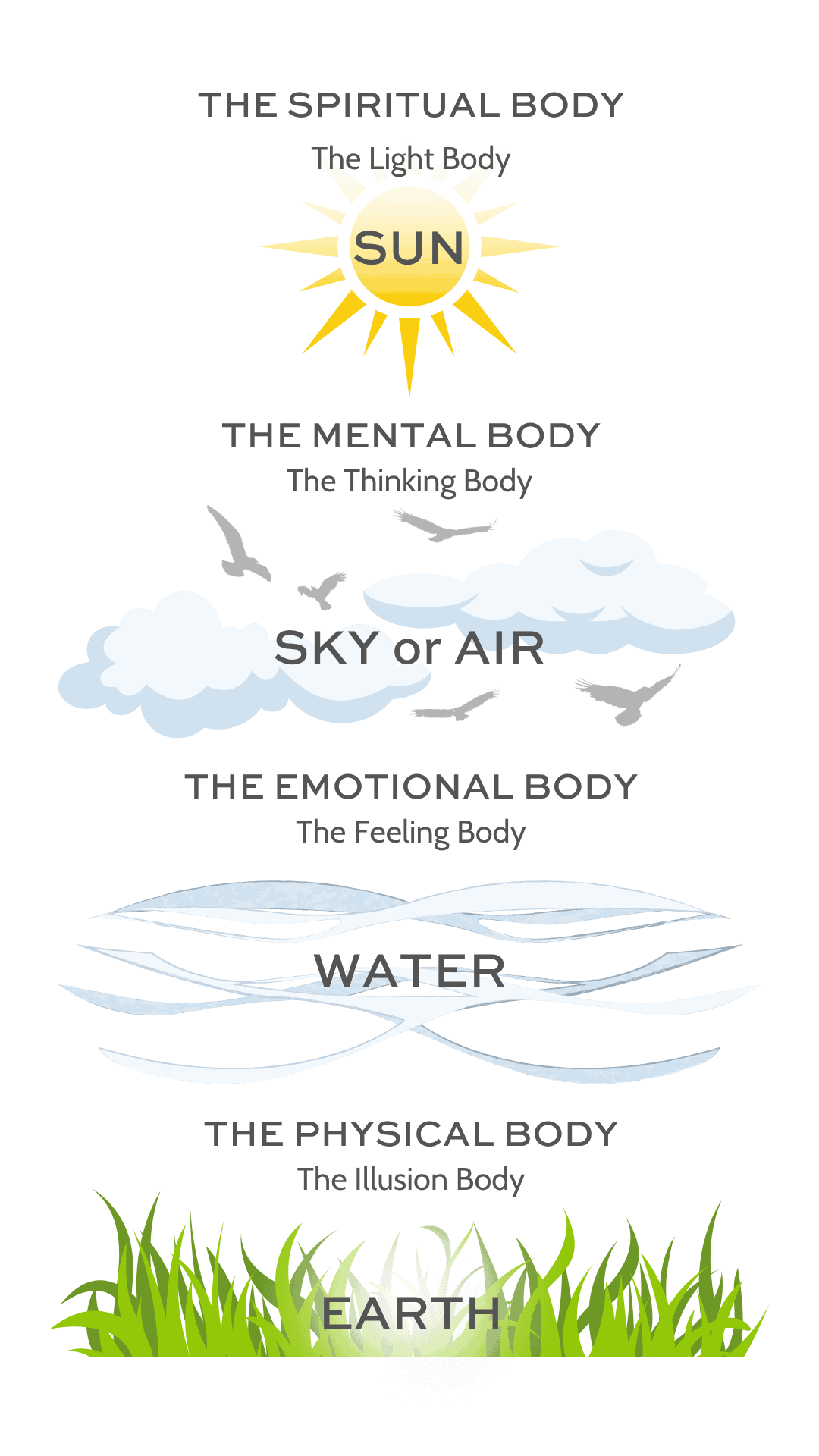
The four integrated bodies, physical (Earth), emotional (Water), mental (Air), and spiritual (Sun), are not separate systems. They are interwoven aspects of a single being. The physical body carries the experiences that the emotional body processes, the mental body organizes, and the spiritual body directs. When one is out of alignment, the others are affected. We are emotional beings, and the feet reveal all four.
This is the frontier, the place where clinical observation outpaces current research tools. We cannot yet put an fMRI inside someone’s emotional body. But we can observe, with remarkable consistency, that the patterns on the feet correlate with the full spectrum of human experience, not just the physical dimension. And we can observe that treating all four bodies through the feet, rather than addressing only the physical, produces deeper, more lasting results.
This is what I built Integrative Foot Zoning™ to do. And it is why no one has taken foot zoning further than this work.
Why This Matters for Your Family
The Science Is Personal—and It Works
The science behind Integrative Foot Zoning™ is not abstract. It is practical and personal.
When your child is chronically ill, and you’ve exhausted every medical option, knowing their feet contain a direct readout of what their body communicates isn’t just interesting—it’s lifesaving. You can see color changes, feel texture differences, and identify the specific systems under stress. As a result, you move from guessing to knowing. You shift from reactive to proactive. You become the most informed person in the room about your child’s health, ready to ask better questions and get better answers.
How This Changed My Family—and Thousands of Others
That’s exactly what happened with my own children. My first son was hospitalized multiple times with what I thought was just a severe respiratory illness, but quickly became so much more. His life was at risk, and we had exhausted every medical resource available. Through foot zoning, diet changes, and natural remedies, he experienced a full recovery. My second son was diagnosed with brain tumors in utero, and we were told he wouldn’t live. His tumors shrank in utero, and after he was born, I continued working on him until he became tumor-free.
My journey with my second son shaped much of my work going forward. Since then, I have helped many other mothers facing this same condition, given prognoses of 2 minutes to 2 weeks of life for their children. Like my son, those children lived.
Those experiences—and the tens of thousands of sessions that followed—drive my commitment to making this knowledge accessible to every parent who wants it. That commitment inspired the Sole Signal System, a foundational course giving parents a real starting place. You don’t need 20 years of training to begin supporting your family’s health at home.
You just need the right foundation.
And for those who fall in love with this work the way I did, the Sole Signal System is just the beginning. There are more advanced courses and programs available, including the Integrative Foot Zoning™ Certification (IFZC) for anyone who wants to take this work further and bring it to others.
The feet are not random. They are a map. Detailed, reliable, and deeply connected to every system in your body through pathways that were established before you took your first breath. Learning to read the feet, the language of health, is one of the most powerful things you can do for your family.
Sources and Further Reading Embryology and Dermatomes:
Foerster O. “The Dermatomes in Man.” Brain, 1933.
Keegan JJ, Garrett FD. “The Segmental Distribution of the Cutaneous Nerves in the Limbs of Man.” The Anatomical Record, 1948.
Lee MW, McPhee RW, Stringer MD. “An Evidence-Based Approach to Human Dermatomes.” Clinical Anatomy, 2008.
Schoenwolf GC, Bleyl SB, Brauer PR, Francis-West PH. Larsen’s Human Embryology. Elsevier, 2015.
Foot Innervation and Mechanoreceptors:
Kennedy PM, Inglis JT. “Distribution and behaviour of glabrous cutaneous receptors in the human foot sole.” Journal of Physiology, 2002.
Strzalkowski NDJ, Peters RM, Inglis JT, Bent LR. “Cutaneous afferent innervation of the human foot sole: what can we learn from single-unit recordings?” Journal of Neurophysiology, 2018.
Corniani G, Saal HP. “Tactile innervation densities across the whole body.” Journal of Neurophysiology, 2020.
Akselrod M et al. “Anatomical and functional properties of the foot and leg representation in areas 3b, 1 and 2 of primary somatosensory cortex.” NeuroImage, 2017.
Reflexology Research and Autonomic Nervous System:
Hughes CM, Krirsnakriengkrai S, Kumar S, McDonough SM. “The Effect of Reflexology on the Autonomic Nervous System in Healthy Adults: A Feasibility Study.” Alternative Therapies in Health and Medicine, 2011.
McCullough JEM et al. “The Physiological and Biochemical Outcomes Associated with a Reflexology Treatment: A Systematic Review.” Evidence-Based Complementary and Alternative Medicine, 2014.
Song HJ et al. “The Effects of Foot Reflexology on Vital Signs: A Meta-Analysis of Randomized Controlled Trials.” Evidence-Based Complementary and Alternative Medicine, 2022.
Diego MA, Field T. “Moderate Pressure Massage Elicits a Parasympathetic Nervous System Response.” International Journal of Neuroscience, 2009.
Hemodynamic and Neuroimaging Evidence:
Sudmeier I et al. “Changes of renal blood flow during organ-associated foot reflexology measured by color Doppler sonography.” Forschende Komplementärmedizin, 1999.
Piquemal M. “Thermographic study of reflexology.” Presented at the International Council of Reflexologists Conference, 2005.
Manzanares J. Principles of Reflexology. Manzanares Method, 2007.
Clinical Observations and Deposits:
Manzanares J. Biopsy research identifying deposits at reflex areas of the feet containing nervous fibers with characteristics varying by acuity/chronicity, 2007.
Somatotopic Organization:
Penfield W, Rasmussen T. The Cerebral Cortex of Man. Macmillan, 1950.
Werner G, Whitsel BL. “Functional organization of the somatosensory cortex.” In: Handbook of Sensory Physiology, Vol. II. Springer, 1973.