Your body is miraculous and it wants to heal. It holds a perfect blueprint, and your kidneys are part of that design. Even when they struggle, when filtration slows, or stones begin to form, your kidneys work around the clock to return to balance and respond promptly when you provide what they need: hydration, minerals, fruit, herbs, clean blood, clear pathways, and gentle movement.
The kidneys are resilient. You can support them with simple daily actions that help them filter waste, protect other organs, and return the whole body to its natural blueprint.
Once you understand how the kidneys work and what affects them, you can help them recover.
WHY YOUR KIDNEYS MATTER SO MUCH
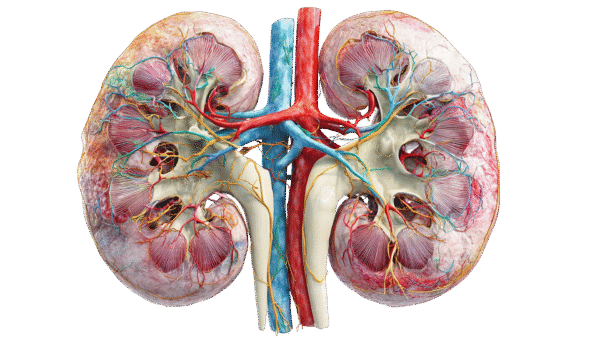
The kidneys filter approximately 180 to 200 quarts (170 to 190 liters) of blood each day, with most of that fluid being reabsorbed and returned to the body. The remaining 1-2 quarts of fluid and waste are excreted as urine. They also remove waste, acids, medication residue, environmental toxins, viral debris, and excess hormones. Kidneys balance the levels of sodium, potassium, magnesium, calcium, and phosphorus. These minerals influence hydration, nervous system function, muscle contraction, and heart rhythm.
Suffice it to say, your kidneys have a full-time job!
And they don’t stop there.
Kidneys activate vitamin D for strong bones. They regulate blood pressure and support red blood cell creation. When kidney filtration slows down, the entire body feels it. Fatigue rises. Skin changes. Pressure builds. Other organs take on extra work.
But the kidneys also send out early warning signals, long before major problems form. When you support your kidneys early, you protect every system in your body. They want to work well, and when they don’t, they let you know!
HOW THE KIDNEYS AFFECT OTHER ORGANS
Heart
Kidneys help manage fluid and blood pressure. Weak filtration increases fluid retention. This forces the heart to work harder and disrupts pressure balance.
Liver
When the kidneys can’t clear toxins, the liver becomes overloaded. Bile thickens. Detox slows. Fat metabolism drops. This adds stress to the digestive system and immune system.
Skin
If the kidneys cannot remove waste, the skin, our largest eliminatory organ, steps in. Acne, rashes, and dryness are early signals that your filtering organs are overwhelmed.
Brain and nervous system
Kidneys balance electrolytes, and these minerals control nerve activity. When electrolyte levels shift, you may feel headaches, fogginess, mood changes, dizziness, or trouble focusing.
Adrenals
The adrenal glands sit on top of the kidneys. When kidneys are under pressure, the adrenals shift into high alert. This leads to fatigue, irritability, and trouble settling down.
Lymphatic system
Your lymph carries cellular waste. The kidneys remove that waste. When the kidneys slow down, lymph stagnates. People notice swelling, puffiness, fluid retention, and slow healing.
Digestive system
Toxins circulating in the blood irritate the gut lining and slow motility. Gas, bloating, and digestive discomfort often match early kidney strain.

EARLY WARNING SIGNS THAT KIDNEYS NEED SUPPORT
- Lower back soreness or tightness near the ribs
- Puffiness under the eyes
- Frequent urination
- Dark or cloudy urine
- Strong-smelling urine
- Salt cravings
- Skin breakouts
- Brain fog or trouble focusing
- Fatigue
- Feeling dehydrated despite drinking water
- Edema in the extremities
These are just some of the early alerts telling you that filtration needs support. Start early, and you can easily clear your filtration pathways and go back to business as usual.
WHAT INTEGRATIVE FOOT ZONING REVEALS ABOUT OUR KIDNEYS
Texture
A dry, cracked, papery, or gritty texture in kidney zones indicates dehydration, poor filtration, or crystal formation. Thick areas suggest long-term strain.
Color
Pale zones reflect poor circulation. Dark, muddy, or bruised zones show stagnation. Redness signals irritation or inflammation.
Temperature
Cold kidney zones point to slow filtration. Hot zones reflect irritation or overwork.
Sensitivity
Strong tenderness tells us the kidneys and adrenals are working harder than they should.
Adrenal connection
Since the adrenals sit on top of the kidneys, stress in one often shows up in the other.
Emotional load
The kidneys store fear and long-term worry. Irritated or sensitive zones often reflect this emotional history.
System patterns
Kidney congestion often appears with lymph stagnation and bladder irritation. This helps practitioners identify the root cause instead of chasing symptoms.
HOW TO SUPPORT AND STRENGTHEN THE KIDNEYS NATURALLY
Your kidneys respond fast when you give them the hydration, minerals, and herbs they need to clear waste and return to balance. As I said above, if you catch the early warning signals your body sends, you can quickly offer support to the kidneys before they start to overburden other organs or systems in the body.
Hydration
One of the easiest ways to know how your kidneys are doing is to look at the color of your urine.
If your urine is dark or strongly smelling, your kidneys are asking for more support. That darker color tells you the body is trying to push out concentrated waste with not enough water to dilute it. When your urine is pale yellow or nearly clear, it means you are giving your kidneys what they need to filter smoothly. Your body talks to you in small ways all day, and this is one of the simplest signals to pay attention to.
Here are some of the best ways to hydrate your kidneys:
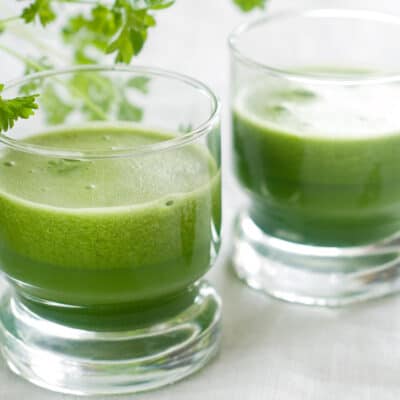
Parsley water
This is the ultimate kidney detox. Parsley supports gentle diuresis, helping release trapped fluid, bacteria, and toxins. It also helps support and strengthen the kidneys along with its connecting organs and glands to give the kidneys what they need.
Lemon water
Lemon increases urinary citrate. Higher citrate levels bind calcium, helping prevent stone formation. Use fresh lemon in room temperature water morning and evening. (This also helps the liver clear out the sludge that it worked all night processing while you slept!)
Coconut water
Coconut water delivers natural potassium and magnesium. These minerals relax the urinary tract and support electrolyte balance. Make sure to get coconut water that is organic and not added fillers.
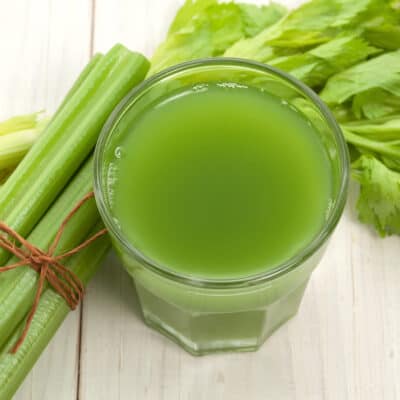
Celery juice
Celery’s mineral salts help dissolve acids and support filtration. Daily celery juice supports the kidneys, bladder, liver, lymph, and nervous system.
Aloe Vera
Aloe soothes the urinary tract and lowers inflammation. Inner filet aloe in water helps clear acids and supports tissue healing. You can add lemon for flavor and more medicinal properties to your drink. Also, you can use Lakewood organic Aloe Vera Inner Leaf Juice when you cannot make your own.
Watermelong and hydrating fruits
Watermelon, grapes, pears, citrus, cucumbers, and apples provide structured water and potassium. These foods protect kidney cells from oxidative stress.
Nettle Leaf Tea
Nettle increases urine flow and helps clear nitrogen waste. This lowers the concentration of stone-forming minerals. It also helps support the blood and blood organs in order to strengthen the kidney functions.
When in doubt, just make sure you’re getting steady hydration. Small amounts of good, clean water throughout the day support filtration better than sporadic, large drinks.
Healing Foods
Your pulse is in your plate. What foods you put into your body, and the quality of that food, play a massive role in how well your organs function.
Fruits
Grapes, berries, citrus, pears, apples, watermelon. These deliver hydration, potassium, vitamin C, and antioxidants that lower inflammation.
Vegetables
Cucumbers, zucchini, celery, leafy greens, cilantro, and parsley support mineral balance and filtration.
What to reduce or eliminate altogether
Foods that increase kidney load
- Animal protein, dairy products, high sodium foods, seed oils, and energy drinks increase the kidney load.
Why animal protein increases kidney stress
- Animal protein asks a lot from your kidneys. When you eat it, your body breaks it down into amino acids and waste products that must be excreted through the kidneys. Increase the amount of animal protein, and you increase the amount of waste they need to clear. This adds pressure they do not need, especially if they are already working through congestion or inflammation.
How animal protein affects your acid balance
- Animal protein also creates an acid load in the body. Your kidneys step in to balance that acid so your blood stays stable. This balancing process uses minerals and increases the overall workload. When this continues day after day, the kidneys feel the strain. You see this as fatigue, dehydration, swelling, or changes in urine.
Hydration needs for high protein diets
- A high protein diet increases your water needs. Your kidneys need steady hydration to move out urea and other byproducts. When someone eats a lot of animal protein without increasing their fluids, the kidneys work harder to keep up.
What happens when you lower the load
I see this with clients often. When they reduce animal protein, increase hydration, and support their mineral intake, their kidneys respond fast. Their energy increases, their urine clears, their swelling goes down, and their body moves back toward balance.
Next time you sit down to a meal, instead of asking yourself, “Does this have the protein I need?” ask instead, “Does this have the amino acids my body needs?”
Gentle shifts for long term kidney health
Be aware of how much work you are giving your kidneys. Gentle shifts support repair and long term kidney health. By focusing on your amino acid intake, you lessen the load on your liver and kidneys and give your body the building blocks it needs for cellular repair.
Healing support from the right foods
Want additional healing support from your foods? The Healing Foods Handbook is my go to resource for all things food. You can search by individual foods or by ailment. Use code AMBER for 10 percent off.
Supplements & Herbs
While not always the case, many of our organs and systems need a helping hand to perform at their peak. Processed foods, chemicals, ailments, and GMO foods, to name a few, often damage organs and systems, leaving lasting effects. These supplements and herbs can help them heal while helping them do their job:
DANDELION LEAF
Dandelion leaf supports daily kidney work and healthy fluid balance. It offers gentle support that helps the kidneys clear waste with ease.
How your body uses it
Dandelion leaf increases urine flow and delivers potassium that helps the kidneys balance sodium. Antioxidants in the leaf protect kidney cells from stress.
Why I recommend it
• Supports urine flow
• Helps reduce water retention
• Supports sodium and fluid balance
• Provides antioxidants that protect kidney tissue
• Supports gentle detox
How to take it
Tea, tincture, or capsules with added hydration.
D-MANNOSE
D-mannose keeps the urinary tract clean by blocking bacteria from sticking to the bladder wall. Many people use it for quick relief of urinary discomfort.
How your body uses it
Your body flushes D-mannose through the kidneys and bladder. As it passes through, it binds to unwanted bacteria and carries them out.
Why I recommend it
• Helps block bacteria from attaching to the bladder
• Supports fast relief during urinary discomfort
• Supports kidney and bladder health
• Safe for long-term use
How to take it
Powder mixed in water. Hydration increases its effectiveness.
CHRISTOPHER’S KIDNEY FORMULA
This blend includes juniper berry, parsley, uva ursi, marshmallow root, goldenrod, and ginger. It gives the kidneys support from multiple angles.
How your body uses it
Each herb plays a specific role. Some increase urine flow, while some soothe the urinary tract, and others protect kidney tissue with antioxidants. Together, they support filtration and cleansing.
Why I recommend it
• Supports kidney function
• Helps soothe the urinary tract
• Supports waste removal
• Supports antioxidant activity
• Full-spectrum herbal support
How to take it
Capsules or tincture with hydration.
CAT’S CLAW
Cat’s claw supports immune balance inside the kidneys and urinary tract. It helps reduce irritation and protects tissue.
How your body uses it
The kidneys benefit from cat’s claw’s antioxidant and anti-inflammatory compounds. These actions support tissue repair and ease stress on the urinary tract.
Why I recommend it
• Supports immune balance
• Helps reduce irritation
• Provides antioxidants
• Supports tissue repair
How to take it
Capsules, tea, or tincture.
CRANBERRIES
Cranberries support a clean urinary tract by preventing certain bacteria from attaching to the bladder wall.
How your body uses it
The kidneys flush cranberry compounds quickly. As they move through, they support a cleaner bladder environment.
Why I recommend it
• Helps reduce recurrent irritation
• Supports bladder health
• Provides antioxidants
• Supports healthy fluid movement
How to take it
Unsweetened cranberry juice, fresh or frozen berries, capsules, or concentrate. https://pubmed.ncbi.nlm.nih.gov/31140512/
ZINC
Zinc supports immune strength in the kidneys and bladder. It helps your body repair tissue and maintain inflammation balance.
How your body uses it
Kidney tissue needs zinc for enzyme activity, repair, and immune function. Zinc also supports the lining of the urinary tract.
Why I recommend it
• Supports kidney and bladder immune function
• Enhances tissue repair
• Supports inflammation balance
• Helps protect the urinary tract lining
How to take it
Capsules with food.
CHANCA PIEDRA or BHUMYAMALAKI (Stonebreaker)
Bhumyamalaki supports the kidneys and liver. It is known for helping break down mineral buildup and supporting filtration.
How your body uses it
The herb supports the breakdown of mineral deposits, relaxes the urinary tract, and helps move waste. Antioxidants protect both the kidney and liver tissue.
Why I recommend it
• Helps break down mineral buildup
• Supports urine flow
• Increases kidney and liver detox
• Provides strong antioxidant support
How to take it
Tinctures or capsules with hydration.
GINGER
Ginger supports kidney circulation and protects them from oxidative stress.
How your body uses it
Ginger’s active compounds support blood flow, reduce inflammation, and protect kidney cells.
Why I recommend it
• Supports circulation
• Helps reduce inflammation
• Supports antioxidant activity
• Helps ease nausea linked to kidney stress
How to take it
Fresh, powdered, tea, or capsules.
CELERY ROOT
Celery root supports fluid balance and filtration, often bringing strong results during kidney stress.
How your body uses it
Celery root contains minerals that increase urine flow, support waste removal, and help the kidneys balance electrolytes.
Why I recommend it
• Supports kidney function
• Helps move out waste
• Supports electrolyte balance
• Helps during poor kidney filtration
How to take it
Chop celery root into small ½ inch cubes. Blend celery root with clean water, strain, and drink fresh. Another way to prepare celery water it’s to scrub the root very well. Put in a pot of water and make sure the water covers the celery root. Simmer for 45 minutes. Let cool. Strain the water and drink.
Additional Kidney Support
The kidneys often collect old viral waste, strep bacteria, heavy metals, and chemical residue. Calcium binds to this debris, forming stones or irritation. Hydration, fruit, lemons, celery juice, herbal support, and mineral salts help dissolve this waste and restore filtration.
THE SECRET OF SUNLIGHT & YOUR KIDNEYS
When you give your body regular sunlight, you’re doing more than boosting mood; you’re helping your kidneys and bones stay in balance. Sunlight triggers your skin to make vitamin D, and that vitamin D plays a big role in keeping calcium where it should be. It supports your parathyroid glands, which regulate calcium levels, and when calcium is out of balance, your risk for kidney stones goes up.
Here’s a breakdown of how it works and what it means for your kidney health:
How sunlight and vitamin D support calcium and the kidneys
When UV-B rays hit your skin, your body converts a precursor into vitamin D3, which is then activated (one of these steps occurs in your kidneys). ODSS+2PMC+2
Vitamin D increases calcium absorption from your gut, making sure your blood has adequate calcium, which means your parathyroid hormone (PTH) does less “work” to pull calcium from bones or trigger kidney filtration. PMC+1
If sunlight is limited or vitamin D is low, calcium drops, PTH rises, and the body starts shifting calcium around from bones or via the kidneys, raising the chance of mineral deposits or stones. PubMed+1
When calcium is displaced and ends up forming crystals or stuck minerals in the urinary system, it’s a sign that the balance is off. For kidney stones, that calcium displacement matters. NCBI
Why I recommend focusing on sunlight + leafy greens
Leafy greens supply vitamin K, which helps direct the calcium into your bones where it belongs, instead of letting it drift into soft tissue or the urinary tract. Getting sufficient vitamin D through sunlight (or supplementation when needed) keeps your parathyroid system relaxed and your kidneys from being over-taxed by excess calcium or mineral shifts.
When your kidneys don’t have to deal with runaway calcium or constant mineral clearance, they maintain better filtration and avoid stress from “chasing” deposits.
Since many kidney stones are calcium-based, supporting the pathway that keeps calcium in the right place helps prevent stones and supports kidney health in the long term.
Why medications and other habits matter too
Regular use of certain medications, like NSAIDs or some acid-suppressing drugs (PPIs), shows a clear link to chronic kidney stress or injury. PMC+1
When your kidneys handle lighter loads like minerals, calcium, and fluid balance, they work steady. When you add medication related stress or calcium shifts, the load rises. As a result, your risk of stones or kidney damage goes up.
Avoiding excess coffee (which can dehydrate and increase urinary concentration) and supporting mineral balance, hydration, and sunlight exposure together create a kidney-friendly foundation.
HOW TO KEEP KIDNEYS STRONG LONG TERM
Remember, your body and its organs want to perform at the highest level. The great news is, they know how to! But sometimes, they just need a reminder. By properly caring for them, they can care for you. These daily essentials will help keep it well functioning and remind it of its perfect blueprint:
- Start each day with lemon water
- Drink sixteen ounces of celery juice
- Get safe sunlight exposure most days, 10-30 minutes, depending on your skin tone, time of day, and where you live
- Eat several servings of fresh fruit daily and eat plenty of leafy greens (spinach, kale, collards) to support vitamin K and calcium placement in bones
- Review your long-term medications with your health provider and ask if any have known kidney stress implications. Informed consent and knowing exactly what you’re putting in your body in a bid to “fix it” will help you make better long-term decisions about your health
- Use magnesium glycinate
- Eliminate animal protein and dairy
- Limit or avoid high caffeine intake, especially if you have a history of kidney stones or mineral imbalances
- Reduce processed salt
- Use nettle tea or parsley water after illness or stress, or even daily for continual support and cleansing
- Move your body daily to support lymph and circulation
YOUR KIDNEYS CAN RETURN TO THEIR BLUEPRINT
Your kidneys know how to heal. When you give them hydration, minerals, herbs, and toxin free support, your kidneys clear waste, restore balance, and strengthen every system in your body. As a result, kidney signals on the feet soften, then the lymph moves, and as a result, the skin clears. The nervous system settles, digestion improves, and energy rises because the whole body starts working together again.
Your body is always trying to return to its perfect blueprint. You simply give it what it needs.
If you want a closer look at your kidney signals and how they connect to liver, lymph, and adrenal patterns, Integrative Analysis uses clear foot photos to reveal what your body is asking for next.
Ignite the Healer within,
Amber Bodily
P.S. If you want to know more remedies for the things that life throws at you, check out my online course Radical Healing.
*Disclosure: This post contains affiliate links. At no cost to you, I may earn a small commission from the sale of these products. This assists my work in supporting others on their healing journey to health.